
Olaplex, K18 and Juuce offer different products and routines. Compare the exact bottle and application steps before choosing: a pre-wash treatment, leave-in mask and shampoo-and-conditioner pair are not like-for-like replacements. Hair Pinns sells Juuce; the manufacturer links below help you check the other options without an unsupported “best” ranking.
01 /
Compare the product, not just the brand
Each brand sells more than one product. For this comparison, the useful distinction is between an Olaplex pre-wash treatment, K18’s leave-in molecular repair mask and Juuce’s Bond Repair shampoo and conditioner. They occupy different steps, so comparing bottle prices or promising one overall winner misses how you would actually use them.
02 /
Olaplex: check which No.3 formula you have
Olaplex’s current No.3PLUS page describes a protein-free pre-wash treatment with a three-minute application before shampoo and conditioner. Its older No.3 Hair Perfector guide gives different instructions. Read the exact bottle you own rather than applying an old No.3 routine to every newer product. These are manufacturer directions, not a head-to-head performance result.
03 /
K18: a leave-in treatment with its own routine
K18’s Australian guidance describes a peptide-based leave-in mask and a four-minute treatment step. The brand provides an initial treatment routine followed by maintenance, so it should not be described as useful only on the day of a colour service. Follow the current mask directions for preparation and other products. Do not substitute a shampoo-and-conditioner schedule for a leave-in treatment’s instructions.
04 /
Juuce: shampoo and conditioner for the wash routine
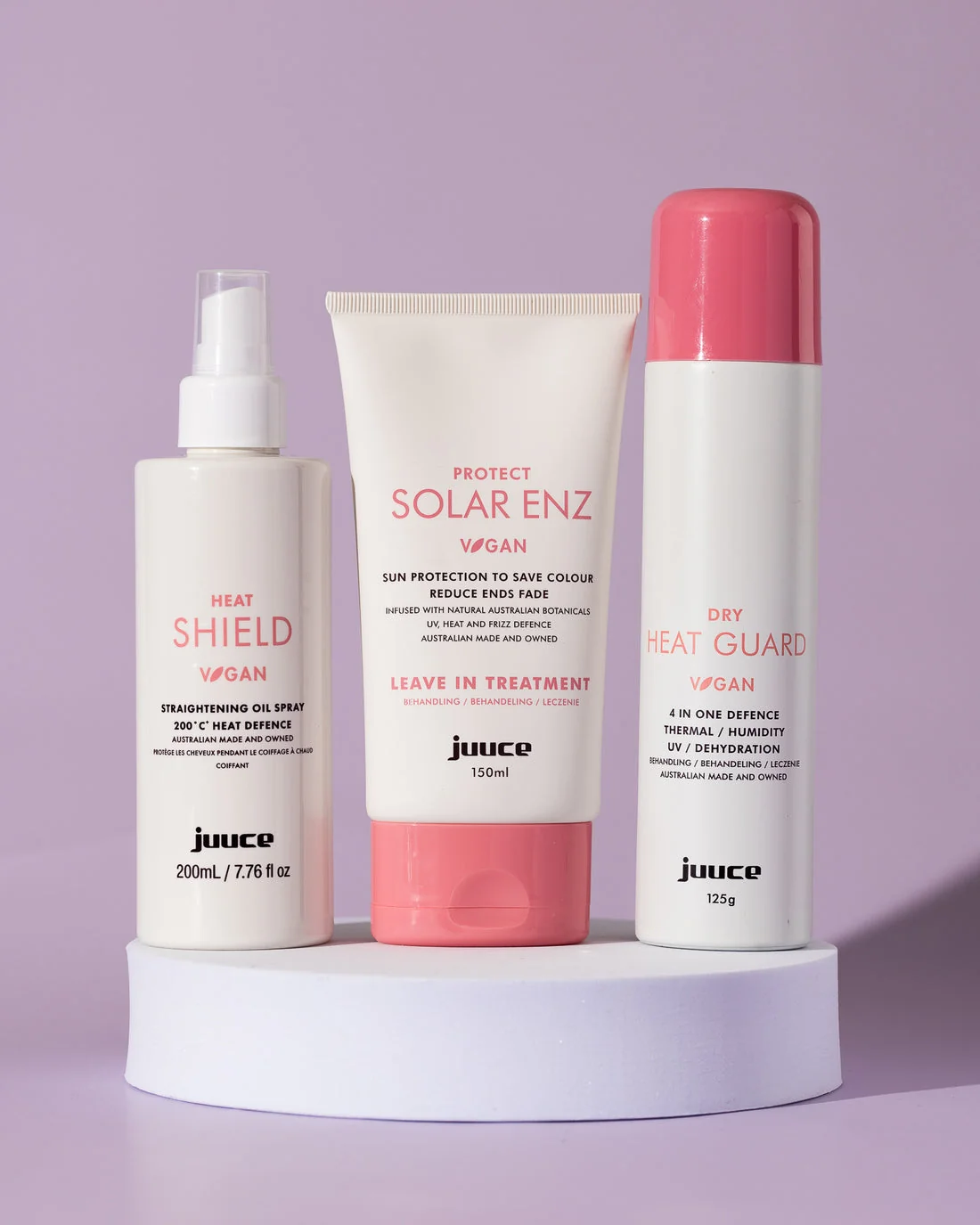
Juuce markets its Bond Repair range for damaged hair. Its shampoo ingredient list includes hydrolysed rice protein; the earlier wheat-protein description in this guide was incorrect. The conditioner has its own directions and ingredient panel. These are rinse-out wash steps, not the same format as an Olaplex pre-wash treatment or K18 leave-in mask. See the current Hair Pinns product pages below for the options available to buy.
05 /
How to compare cost without guessing
Use the current price, bottle size and the amount the directions say to apply. Your hair length, thickness and frequency of use affect how many applications a bottle provides. A shampoo and conditioner may replace existing wash products, while a separate treatment adds another step. Avoid fixed cost-per-wash rankings unless the quantities and routines are genuinely comparable.
06 /
Choose a routine you can follow
Start with what you already use and the concern you want to address. You do not need to buy all three brands to follow this guide. Check with Jena before combining unfamiliar treatments after a chemical service, and follow the exact formula’s directions. If the terminology is confusing, read bond repair versus protein treatments or send your current routine and hair history for help choosing.
Questions from the chair
Frequently Asked Questions
Should I use all three brands together?
Not automatically. Review the directions and your existing routine before adding overlapping products. Ask for advice about the specific combination rather than adopting a universal multi-brand schedule.
Is K18 only for freshly bleached hair?
K18’s Australian guidance includes an initial treatment routine and ongoing maintenance. This guide does not support restricting it to a fixed 72-hour window after a service.
Is Juuce Bond Repair the same product as Olaplex?
No. The products compared here have different formulas and application steps. Similar repair wording does not make a shampoo equivalent to a pre-wash treatment.
Does the most expensive bottle work best?
Price alone does not show whether a product suits your routine. Compare the exact formula, directions, size and expected usage, and avoid paying for extra steps you do not need.