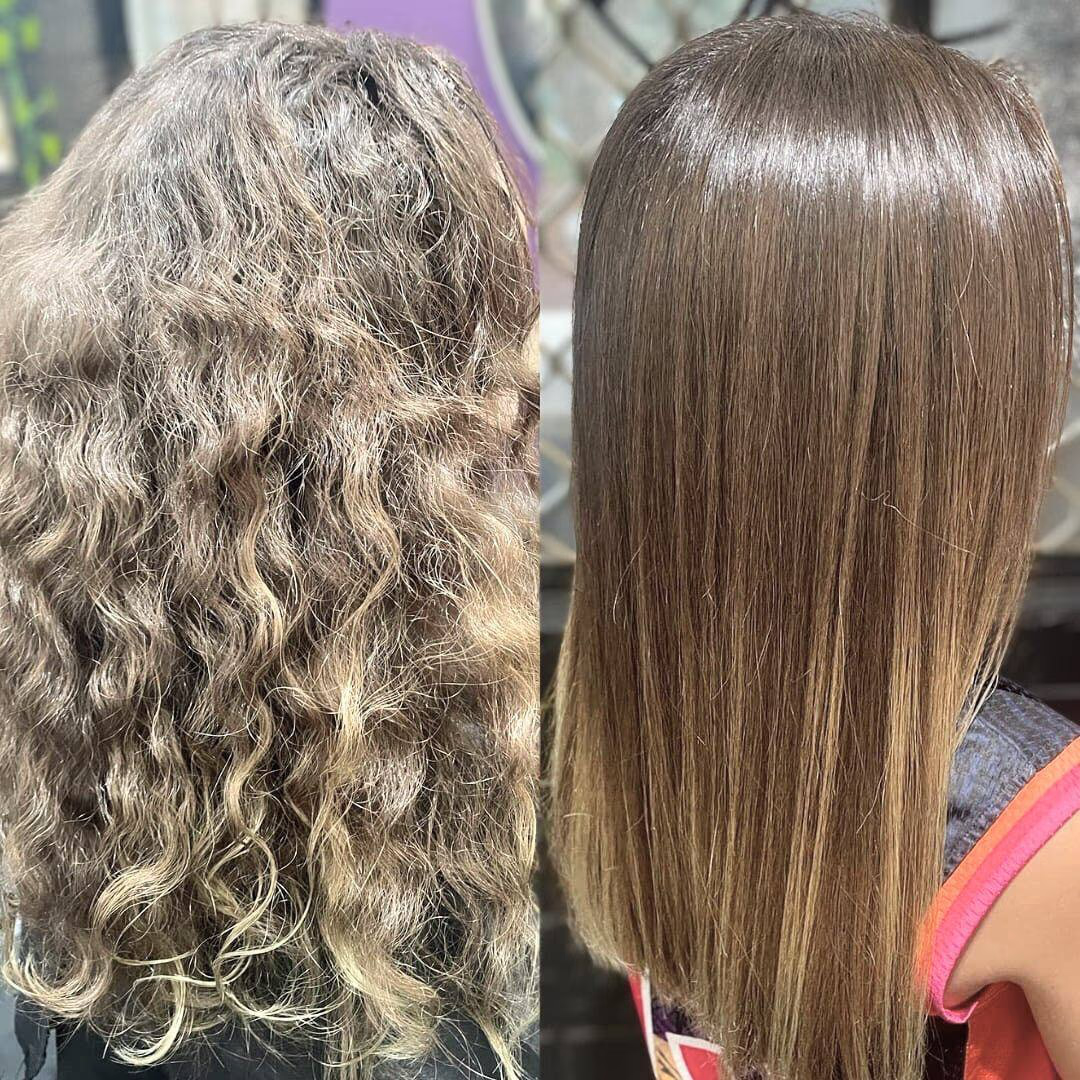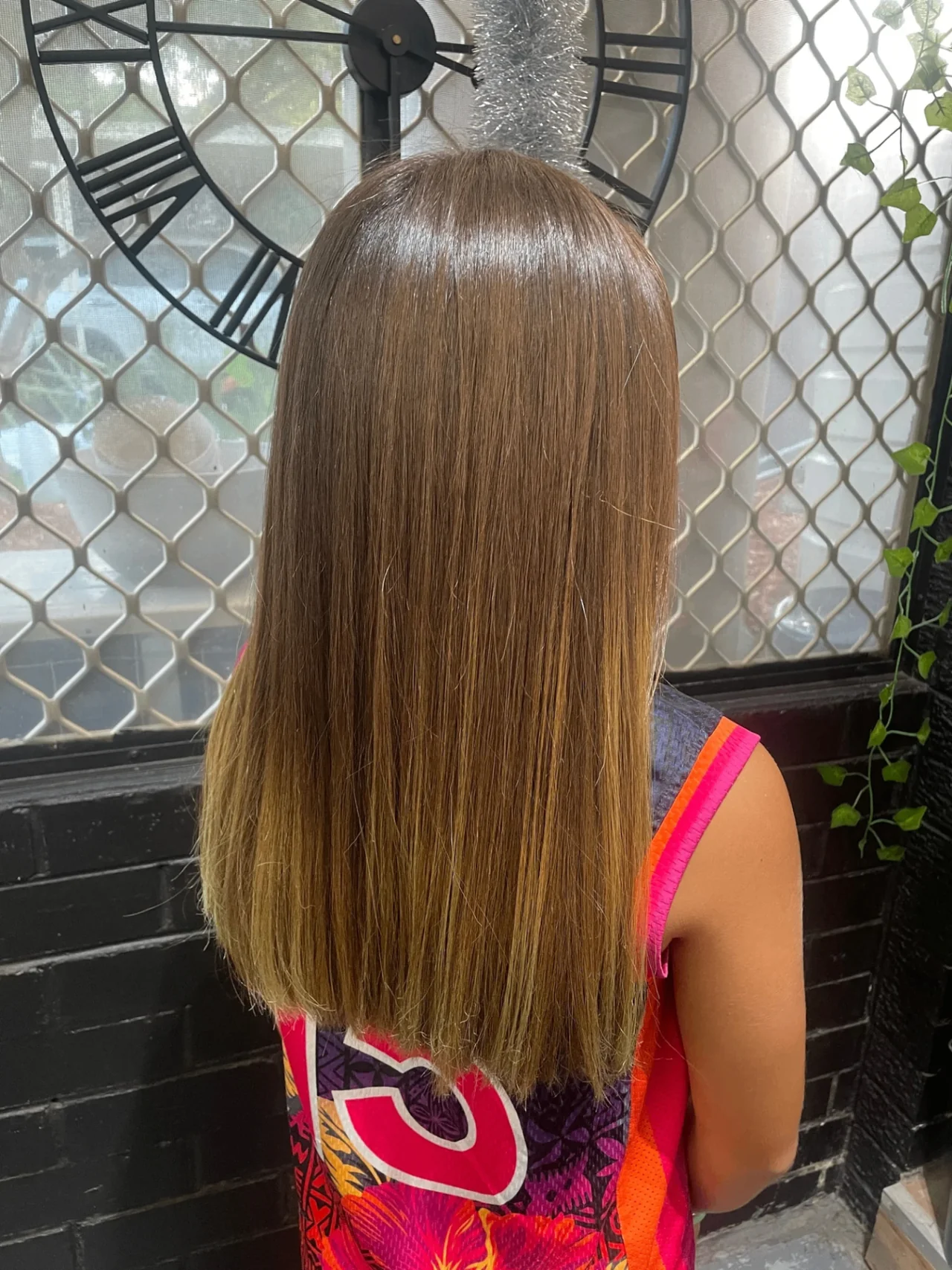

Bond repair and protein treatments are not interchangeable labels, but they are not opposites either. The useful comparison is the exact formula, what the product is designed to do and how it is used. Start with your hair history and current routine rather than a rule that every bleached head needs the same treatment.
01 /
What is the difference?
Bond repair describes a product’s intended approach to damaged hair. Protein treatment describes a formula containing proteins or protein fragments. Those categories can overlap. A bottle can be marketed for bond repair and also contain hydrolysed protein, so the name alone will not tell you how it works or where it belongs in your routine.
02 /
Protein is not always just a surface coating
Protein ingredients vary in size. K18’s explanation of proteins and peptides distinguishes larger proteins from smaller hydrolysed fragments, which can behave differently within the hair fibre. That makes “bond repair works inside, protein only sits outside” too simple. A manufacturer’s explanation of its own technology also does not establish that every competing product works the same way.
03 /
A real example of overlapping labels
Juuce’s current Bond Repair Shampoo information lists hydrolysed rice protein alongside its bond-repair ingredients. It is an example of why these are not two mutually exclusive shopping categories. Check the exact bottle and current ingredient panel, especially if you are avoiding a particular ingredient. Do not infer the conditioner’s complete formula from the matching shampoo.
04 /
Do not choose a treatment from a home stretch test
Pulling a strand until it snaps does not identify which ingredient you need. Before buying another treatment, note your recent colour or smoothing services, heat styling, washing routine and what has changed about your hair. Bring that information and your current product labels to a hair-care consultation. It gives Jena a useful starting point without turning one strand into a diagnosis.
05 /
What if a treatment leaves hair feeling stiff?
A stiff, coated or dry feel is a reason to review the product and routine, not proof that your hair is “protein-saturated”. Do not keep adding treatments to chase a label. Check the amount, frequency and rinse-out instructions, and pause the product that is not suiting you while you seek advice. There is no fixed two-week hydration programme or universal protein-free recovery schedule to prescribe from a description alone.
06 /
Can you use bond repair and protein together?
Some routines include both; others already combine them in one formula. Follow the directions for each exact product rather than stacking several treatments on the same wash. A shampoo, pre-wash treatment and leave-in mask are different steps. Our Olaplex, K18 and Juuce comparison explains that practical distinction. Start with the concern you want to address and a routine you can maintain.
Questions from the chair
Frequently Asked Questions
Does all bleached hair need the same bond treatment?
No. The right routine depends on the service history, condition of the hair and the exact products. A blanket daily or weekly schedule is not a substitute for that assessment.
Is Juuce Bond Repair Shampoo protein-free?
The manufacturer’s current ingredient list includes hydrolysed rice protein. Check the bottle you receive because formulas can change.
Can I replace conditioner with a bond treatment?
Do not assume so. Some treatments are used before shampoo, while others are leave-in products. Follow the specific directions, including whether and when conditioner is used.
How long will a treatment take to work?
There is no single timeline across different formulas and starting hair conditions. Follow the directions and review whether the product is helping rather than promising a fixed number of washes.