
If you love your hair tools, whether it's your trusty blow dryer, straightener, or curling wand, then a heat protectant needs to be your hair's best friend. High heat can cause irreversible damage to the hair shaft, leading to dryness, split ends, and breakage. The good news? Using the right heat protection products can make all the difference.
01 /
What Does Heat Really Do to Your Hair?
When you apply heat to your hair without protection, it strips moisture from your strands, weakens your hair's protein structure (keratin), and can even alter your natural texture over time. Think of it like sunbaking without sunscreen. Your hair needs that same layer of defense.
02 /
Why Heat Protection Is a Must
• Shields Hair From Extreme Temperatures • Prevents Split Ends and Breakage • Locks in Moisture • Smooths Frizz and Adds Shine • Protects Hair Colour and Integrity
03 /
How to Use a Heat Protectant Properly
1. Start with clean, towel-dried hair. 2. Spray or apply your chosen heat protectant evenly from roots to ends. 3. Comb through to ensure full coverage. 4. Style with your heat tools as usual. Now let's look at some of the top heat protectants you can grab from Hair Pinns that will keep your hair healthy, smooth, and damage-free.
04 /
Our Go-To Heat Protection Heroes
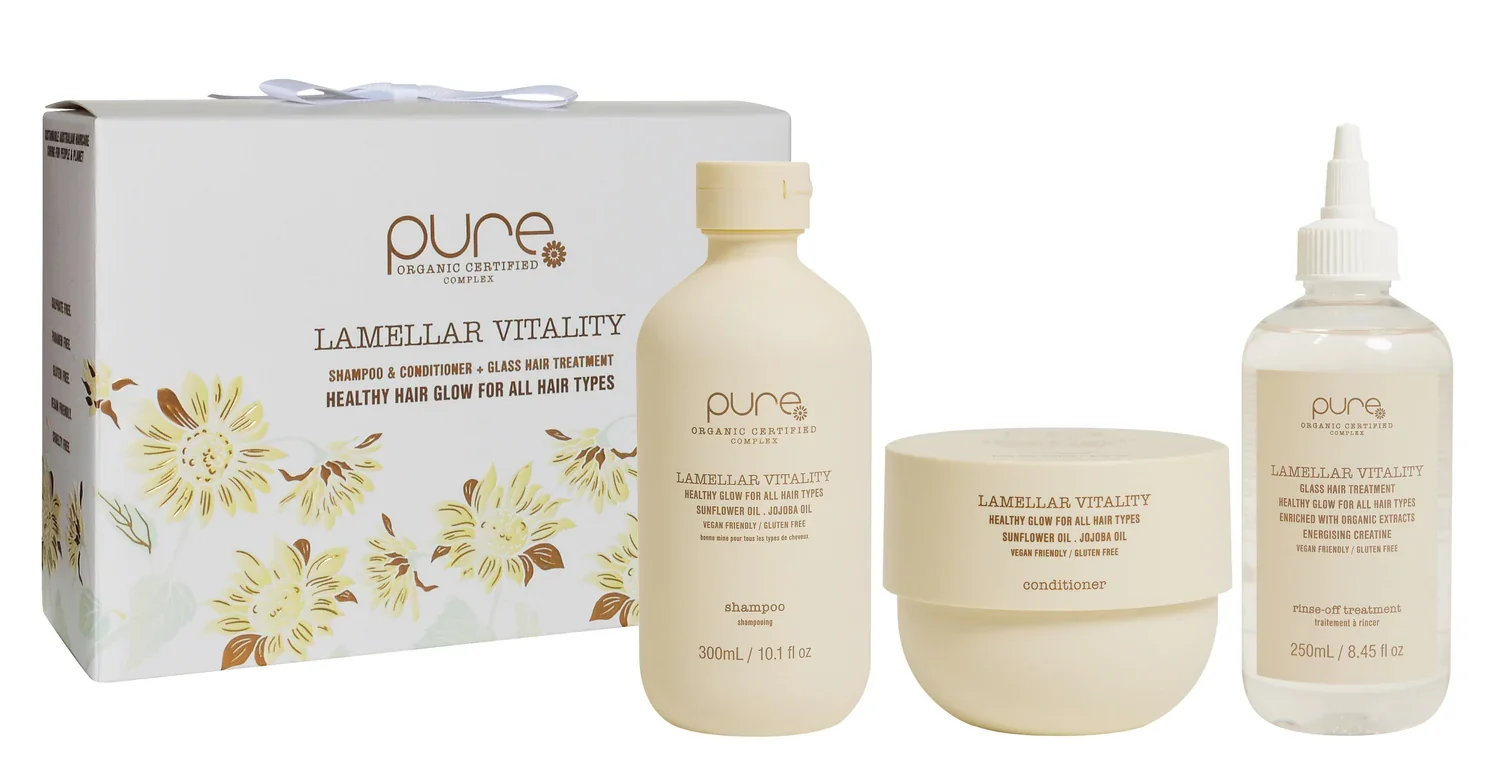
Juuce Heat Shield 🛡️ A weightless thermal shield that protects your hair from heat styling up to 230°C. It smooths and strengthens, helping to eliminate frizz and improve manageability. Best for: All hair types, especially fine to medium hair that needs lightweight protection. Juuce Solar Enz ☀️ More than just a heat protectant. This is your UV and environmental stress defense serum. Designed to protect hair from sun, saltwater, chlorine, and thermal heat, it's perfect for summer styling and outdoor lifestyles. Best for: Holiday hair care and anyone spending time in the sun or swimming. Juuce Dry Heat Guard 💂 A thermal protector designed for dry styling. This lightweight spray forms a shield over your hair to reduce heat damage while adding softness and shine. Best for: Use on dry hair before straightening, curling, or re-styling between washes. Pure Guardian Angel 👼🏻 This leave-in mist is a multitasker. It detangles, hydrates, and protects against heat while boosting shine and smoothing flyaways. It's made with certified organic ingredients and is sulphate- and paraben-free. Best for: Those who want a natural, nourishing approach to heat protection.
05 /
Final Thoughts
If you're styling with heat and not using a protectant, you're risking long-term damage. The products above are designed to work with your styling routine, not against it, so your hair stays healthy, shiny, and strong, no matter how hot things get. Ready to shield your strands? Shop heat protection now at Hair Pinns
Questions from the chair
Frequently Asked Questions
What's the best way to prevent heat damage on hair?
Always use a heat protectant (like Juuce Heat Shield), keep tools below 180°C, and never straighten the same section more than twice. The single biggest win is switching to a microfibre towel, cotton rubs and roughs the cuticle, microfibre absorbs and protects.
Do heat protectants actually work?
Yes, the active ingredients (cyclomethicone, dimethicone) form a film that absorbs up to 220°C before transferring heat to the hair shaft. Without one, every 10°C above 150°C causes cumulative protein damage you can't see for 6 months.
What temperature should I set my straightener or curler to?
150°C for fine or colour-treated hair, 180°C for normal, and never above 200°C. If your tool only goes to 230°C, don't crank it, section smaller and pass once, not three times.
Is it OK to blow-dry hair every day?
Daily blow-drying on medium heat with a protectant is fine. Daily blow-drying on high heat without protectant is the #1 cause of mid-lengths breakage Jena sees in the salon.
Does the Bamcha towel really stop frizz?
Yes, it's woven tight enough to absorb water without rubbing the cuticle rough. Cotton towels rough the cuticle open (that's the frizz), microfibre closes it. One swap, visible difference in two washes.